Helping rebuild a country after a massive natural disaster.
Support Networks
Creating Impact with Haircare Resources
Helping rebuild a country after a massive natural disaster.
How we increased the Girl child enrollment at schools in Patiyala Village.
Opening up economic opportunities for women in the rural India.
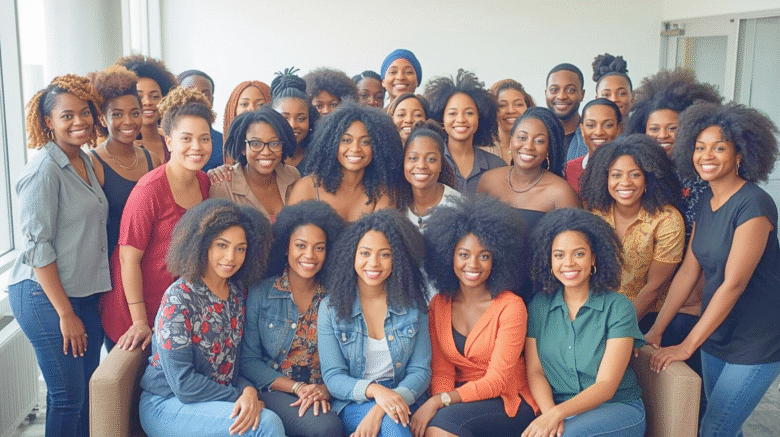
Shared Haircare Resources create opportunities for knowledge, tools, and support to be collectively accessed rather than individually navigated. By pooling reliable information, safe products, and culturally relevant guidance, shared resources reduce trial-and-error, lower financial barriers, and promote healthier hair practices. This collective approach strengthens community care, encourages informed decision-making, and ensures that haircare support is accessible, inclusive, and rooted in …
Many products marketed to Black women are harsher, drying, or poorly regulated, often prioritizing marketing appeal over hair and scalp health. A lack of transparency around ingredients makes it difficult for consumers to understand what they are applying to their hair and skin. This confusion, combined with misleading marketing claims, frequently leads to product overuse, buildup, scalp irritation, and long-term …
Protective styles are widely embraced for their convenience and versatility, but they are often misunderstood or misapplied. While styles like braids, twists, weaves, and locs are intended to protect the hair, improper installation, excessive tension, prolonged wear, and lack of scalp care can lead to breakage, thinning, and traction alopecia. Without proper education on timing, maintenance, and scalp health, protective …
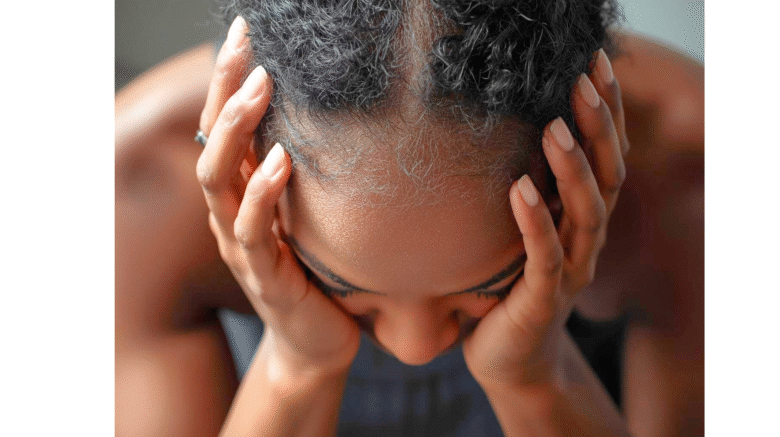
Black women experience higher rates of traction alopecia, CCCA, and early hair thinning, yet are under-diagnosed and under-treated. Why it’s critical: Limited access to culturally competent dermatologists Little early education on scalp health Hair loss often addressed too late